Takayama Without a Car: Your Base for the Japanese Alps
A compact Edo-period merchant town on foot, with buses from the station to Shirakawa-go, Kamikochi and Matsumoto.
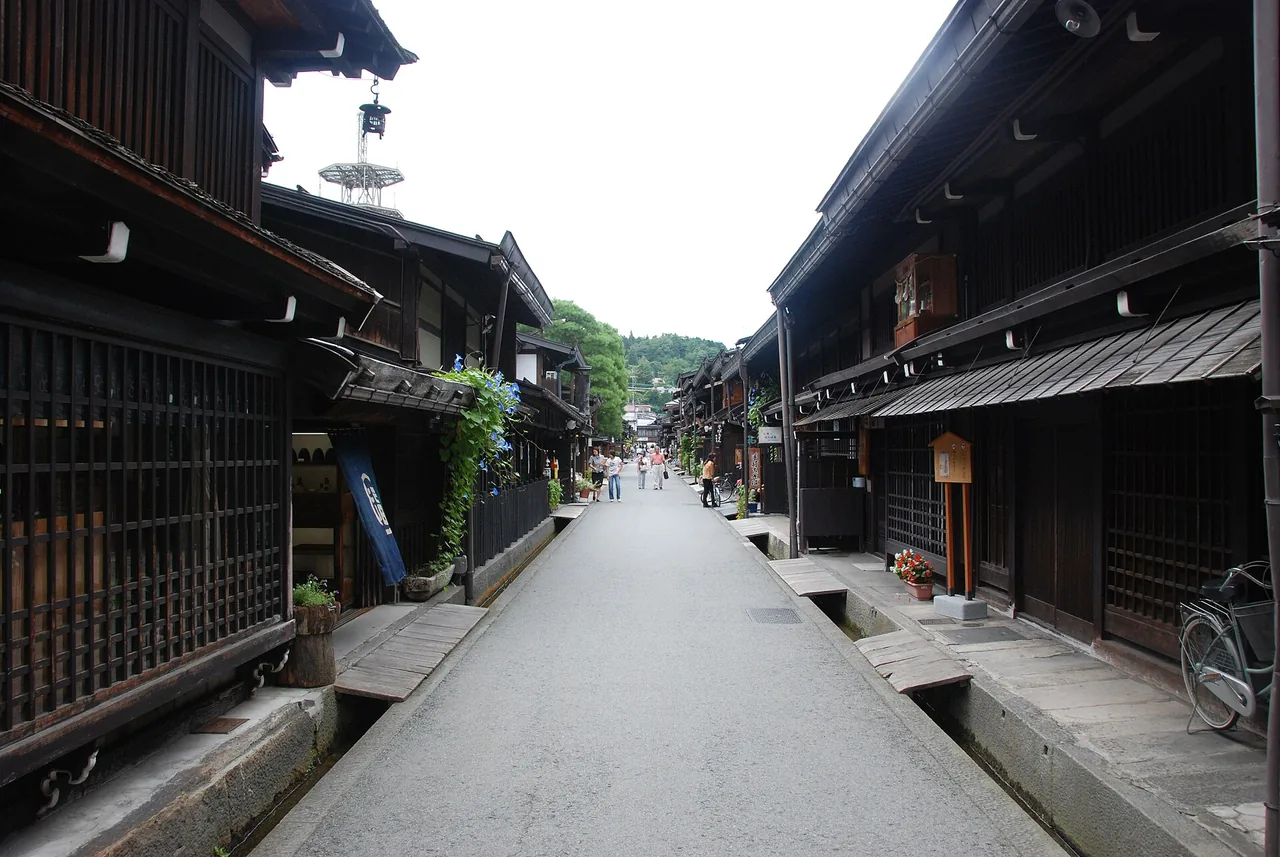
Takayama's old town in September. Photo: Maarten Heerlien from Voorschoten, The Netherlands / Wikimedia Commons / CC BY 2.0
- From Nagoya, the limited express Hida takes about 2 hours 20 to 30 minutes. From Kanazawa and Shirakawa-go, Nohi and Hokutetsu buses come in to the Nohi Bus Center; from Shinjuku and Matsumoto, reserved highway buses do.
- The old town is about 15 minutes on foot from the station and Takayama Jinya about 10, so you do not need transport inside the center.
- Takayama is the bus hub for day trips: Shirakawa-go in about 50 minutes all year, and Kamikochi in about 1 hour 30 minutes from April 17 to November 15, 2026.
Come by train or bus, sleep near the station and use buses for day trips.
The highway buses and the Shirakawa-go and Kamikochi buses leave from the Nohi Bus Center in Takayama, and the old town is about 15 minutes on foot from Takayama Station.
With a room near the station, you can walk the town and catch the Shirakawa-go or Kamikochi bus without a taxi.
- 1Hida train from NagoyaAbout 2 hr 20 min – 2 hr 30 min
- 2Bus from Kanazawa2 hr 15 min, book ahead
- 3Bus from ShinjukuAbout 5 hr 45 min, reserved seats
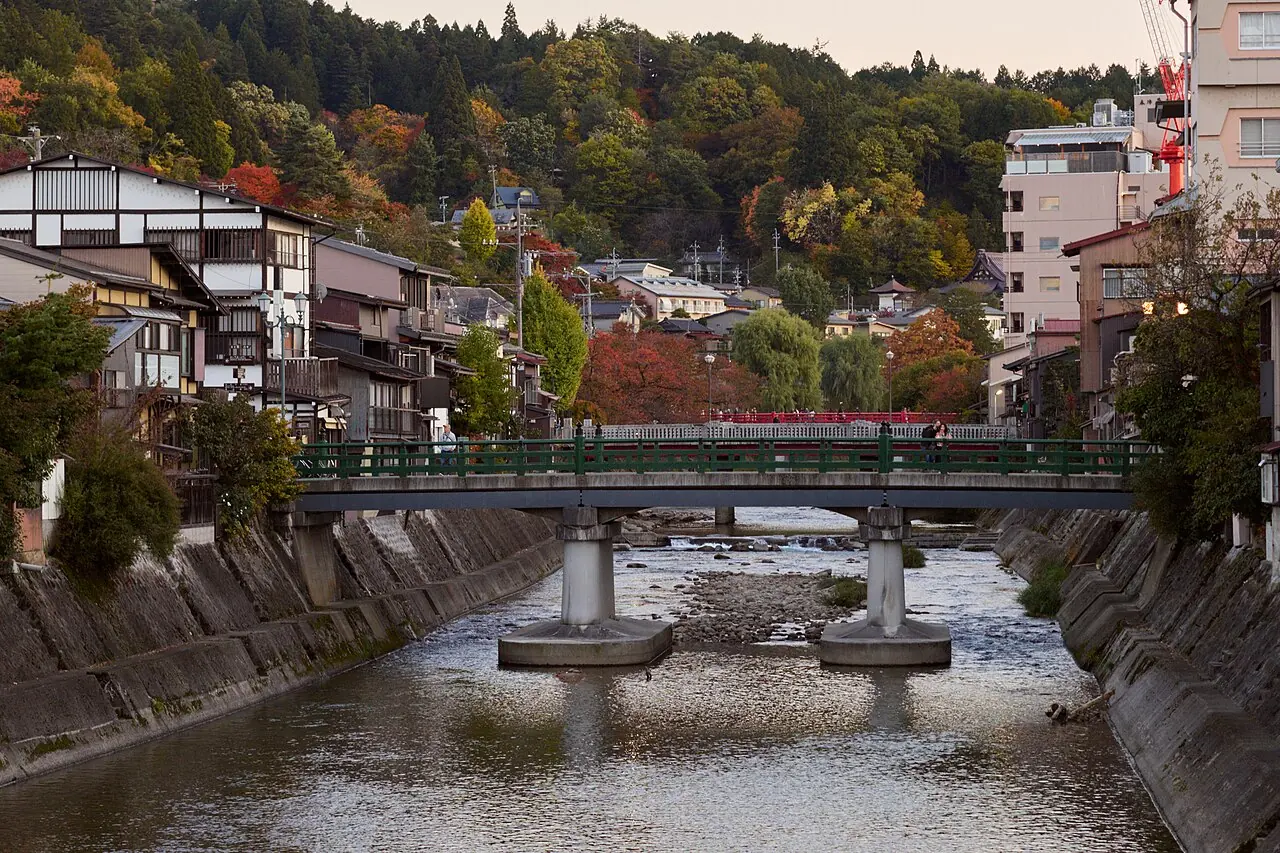
- Prefecture
- Gifu
- From Nagoya
- Limited express Hida, about 2 hr 20 min – 2 hr 30 min
- Old town
- About 15 min on foot from the station
- January
- Average −1.2°C; normal deepest snow 44 cm
Photo: lumoplank / Wikimedia Commons / CC0
From Takayama Station, without a car
- Takayama JinyaEdo-period government office, ¥50010 min
- Old townKami-machi and Shimo-machi streets15 min
- Hida Folk VillageSarubobo Bus from the Nohi Bus Center9 min
- Shirakawa-goNohi Bus, ¥2,800 (¥2,900 from Dec 1)50 min
- KamikochiChange at Hirayu, Apr 17 – Nov 15, 20261 hr 30 min
- Coin lockersStation and Nohi Bus Center, cash only¥400–¥700
Times and fares checked October 15–20, 2026.
Takayama is a mountain town in the Hida region of Gifu Prefecture, and it works well without a car: the old town is a walk from the station, and buses from the same corner of town go to Shirakawa-go, Kamikochi and Matsumoto. This guide covers why to go, how to get there and what you can reach on foot and by bus. It also covers where to stay so the buses are easy and how the seasons change things.
Times, fares and opening hours below come from the operators' and the city's own pages (JR Central, Nohi Bus, Hokutetsu, Takayama City, the Hida Takayama tourism office and the Japan Meteorological Agency), checked October 15–20, 2026.
Takayama sits in the middle of the car-free corridor described in my Japanese Alps without a car guide.
Why go to Takayama
The Hida Takayama tourism office describes the old town as a historic district that grew up in the Edo period as a castle and merchant town. Its three parallel streets in Kami-machi and Shimo-machi are a national Important Preservation District for Groups of Traditional Buildings, which is why the dark wooden merchant houses are still there. The old town is about 15 minutes on foot from JR Takayama Station.
About 10 minutes from the station on foot is Takayama Jinya, the Edo-period office of the district governors who ran Hida. The tourism office calls it the only surviving district governor's office of its kind in Japan.
| Takayama Jinya | |
|---|---|
| Hours, Apr – Oct | 8:45–17:00 (last entry 16:30) |
| Hours, Nov – Mar | 8:45–16:30 (last entry 16:00) |
| Admission | ¥500 (free for high school age and under) |
| Closed | Dec 29, Dec 31, Jan 1 |
Takayama has two morning markets. The Miyagawa Morning Market runs along the east bank of the Miyagawa River, and some of its stalls close early when they sell out. The Jinya-mae Morning Market, in front of Takayama Jinya, opens every day of the year. Both close at 12:00.
| Morning market | Opens 7:00 | Opens 8:00 |
|---|---|---|
| Miyagawa | Apr – Nov | Dec – Mar |
| Jinya-mae | Apr – Oct | Nov – Mar |
The town is also known for the Takayama Festival, held twice a year. The float festival is part of the Yama, Hoko, Yatai float festivals that UNESCO listed as Intangible Cultural Heritage in 2016 (Takayama City). Dates are under Seasons.
Getting to Takayama without a car
From Nagoya, Osaka and Kyoto: the Hida train
The limited express Hida runs from Nagoya to Takayama. JR Central gives about 2 hours 20 minutes from Nagoya Station, and the Hida Takayama tourism office about 2 hours 30 minutes. From Osaka or Kyoto, take the Tokaido Shinkansen to Nagoya and change to the Hida there.
I did not confirm the number of Hida trains a day, or whether any train runs to Takayama from Osaka or Kyoto without a change.
From Tokyo: the highway bus or the Shinkansen
Nohi Bus runs a highway bus between Shinjuku and Takayama, about 5 hours 45 minutes. Seats are reserved, bookings open one month before the travel date, and an online booking is canceled automatically if you do not pay within 3 days. The daytime fare is ¥8,000–¥8,500. The other way from Tokyo is the Tokaido Shinkansen to Nagoya and then the Hida.
From Kanazawa and Shirakawa-go: the bus
Buses from Kanazawa go through Shirakawa-go to Takayama, run by Hokutetsu and Nohi Bus. Hokutetsu sells the Kanazawa buses as reserved-seat, bookable one month ahead; on Nohi Bus's Takayama – Shirakawa-go buses, only some departures take reservations.
| Bus | Time | Fare to Nov 30 | From Dec 1 |
|---|---|---|---|
| Kanazawa – Takayama | 2 hr 15 min | ¥4,200 | ¥4,400 |
| Shirakawa-go – Takayama | about 50 min | ¥2,800 | ¥2,900 |
A Kanazawa – Takayama ticket is not valid once you get off on the way. If you stop in Shirakawa-go, buy each leg separately.
From Matsumoto and Nagoya: highway buses
| Bus | Time | Fare | Buses a day |
|---|---|---|---|
| Takayama – Matsumoto (via Hirayu) | 2 hr 30 min – 2 hr 50 min on the timetable | ¥4,400 | 6 from Takayama, 7 from Matsumoto (some seasonal) |
| Takayama – Nagoya (Meitetsu Bus Center) | about 2 hr 45 min | ¥3,600 (¥3,300 online) | 12 each way |
Both need a reservation. Nohi Bus's Matsumoto page gives about 2 hours 20 minutes as well as the 2 hours 30 minutes – 2 hours 50 minutes in the timetable; plan on the timetable. Its page did not show a winter period for the Matsumoto bus, so check it before a winter trip.
From Toyama: the Takayama Line
Older news saysthe JR Takayama Line is closed between Sugihara and Inotani.
What the May 26, 2026 notice saysthe line was closed from March 18, 2026 after scour was found at a bridge, and JR Central planned to reopen it from the first train on May 30, 2026.Source: JR Central, May 26, 2026
Getting around Takayama on foot and by bus
The Nohi Bus Center (Takayama bus terminal)
The highway buses, the Shirakawa-go and Kamikochi buses and the Sarubobo Bus town loop all leave from the Nohi Bus Center, which the tourism office lists with Takayama Station for coin lockers. Book the reserved buses before the day; the Kamikochi line takes no reservations.
On foot and by the Sarubobo Bus
Inside the center you can walk: about 10 minutes from the station to Takayama Jinya and about 15 minutes to the old town.
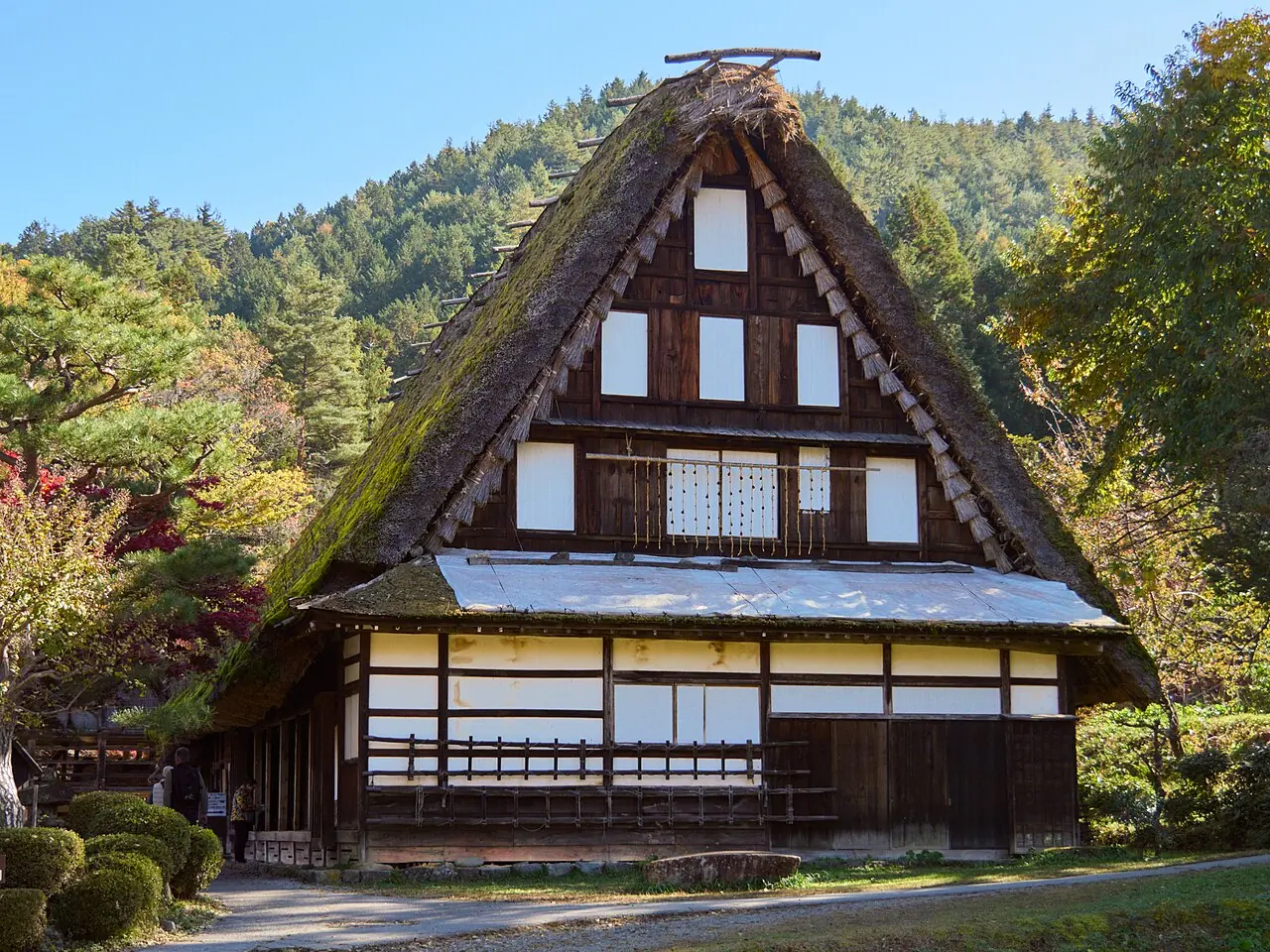
For Hida Folk Village (Hida no Sato), take the Sarubobo Bus from the Nohi Bus Center. It takes about 9 minutes. Single rides on the Sarubobo Bus cost ¥100–¥210, and Nohi Bus sells a ¥1,000 set ticket that covers the return bus and entry to the village. Entry alone is ¥700 for adults, and the village is open 8:30–17:00 every day.
Day trips by bus
Shirakawa-go — all year
- Nohi Bus from Takayama, about 50 min, 16 round trips a day.
- First bus from Takayama 7:20; last bus back from Shirakawa-go 17:30, reaching Takayama at 18:35.
Kamikochi — April 17 to November 15, 2026
- Nohi Bus to Hirayu Onsen, then change for Kamikochi: about 1 hr 30 min in all. The first bus leaves Takayama at 7:00 (6:00 from July 19 to August 24).
- Coming back, the last bus from Hirayu to Takayama leaves at 17:30. The 17:30 bus from Kamikochi reaches Hirayu too late for it, so leave Kamikochi earlier.
Hirayu Onsen — a quieter half day
- Nohi Bus from Takayama to Hirayu Onsen, 53–58 min on the timetable I checked, ¥1,600 one way. The bus runs all year.
- Hirayu no Yu, a public bath, is open 6:00–21:00 (8:00–21:00 in winter) for a donation of about ¥300 and closes on irregular days, says the Okuhida Onsen tourism association.
Nohi Bus also runs a reserved sightseeing bus from Takayama to Shirakawa-go and Gokayama Ainokura all year: ¥9,000 for adults, leaving Takayama at 8:30 and returning at 15:50.
Luggage in Takayama
Coin lockers at Takayama Station (i-CAFE) and the Nohi Bus Center: ¥400, ¥600 or ¥700 by size, cash only, up to 3 days including the first day.
- A same-day delivery service (Luna Sol) carries bags from set points such as the station and hotels to set points in the former Takayama city area. It needs a reservation; the fee was not on the tourism office page.
- Luggage storage counters include Sagawa Express at the Hida Takayama tourist information office and Yamato Transport near the station.
- On the Shirakawa-go bus, the luggage hold is shared and space is limited, so a very large suitcase may not fit.
How long to stay in Takayama
Two nights covers the old town, Takayama Jinya, a morning market and Hida Folk Village, all on foot or by a short bus ride. Add a night for each bus day trip: Shirakawa-go all year, or Kamikochi from April 17 to November 15, 2026.
In my 5- to 7-day Japanese Alps itinerary, the 5-day plan spends two nights in Takayama and the 7-day Kamikochi plan three.
Where to stay in Takayama without a car
The Hida Takayama tourism office's accommodation search sorts places to stay into four types:
- ryokan and hotels
- onsen inns
- minshuku, pensions and guesthouses
- campsites, cottages and lodges
Its area filter splits the city center (shigaichi) from outlying districts such as Okuhida Onsen. Without a car, choose the city center, and within it, stay within walking distance of Takayama Station. The highway buses, the Shirakawa-go and Kamikochi buses and the Sarubobo Bus all leave from the Nohi Bus Center, and the coin lockers are at the station and the bus center. From the station, the old town is about 15 minutes on foot and Takayama Jinya about 10.
If you plan an early bus, such as the 8:30 sightseeing bus to Shirakawa-go, a room near the station saves you a walk with your bags in the morning.
Seasons in Takayama
| Season | What changes without a car |
|---|---|
| Spring | Takayama Festival (Sanno Matsuri), Apr 14–15 every year; Kamikochi buses from Apr 17 |
| Summer | Kamikochi buses run; some Shirakawa-go buses off Aug 13–15 and on weekends |
| Autumn | Takayama Festival (Hachiman Matsuri), Oct 9–10 every year; last Kamikochi buses Nov 15 |
| Winter | Snow; no Kamikochi bus; some Shirakawa-go buses off Dec 29 – Jan 3 and on weekends |
In the 1991–2020 normals from the Japan Meteorological Agency, January in Takayama averages −1.2°C, with daily highs of 3.2°C and lows of −4.8°C. The normal deepest snow is 44 cm in January and 55 cm for the year, so pack for snow on the streets in midwinter. For winter buses, day trips and snow days, see my Takayama in winter guide.
Nohi Bus warns that heavy snow, traffic or a closed expressway can delay the Shirakawa-go buses by 2 hours or more. Leave slack in a winter plan.
- Whether the JR Takayama Line between Sugihara and Inotani was running on October 20, 2026
- The number of Hida trains a day, and any through train from Osaka or Kyoto
- The winter 2026–27 timetable of the Takayama – Matsumoto bus
- The last Kamikochi departure that connects at Hirayu for Takayama
How I checked this
- Read the access, sightseeing and festival pages of the Hida Takayama tourism office, and JR Central's May 26, 2026 notice on the Takayama Line.
- Read Nohi Bus and Hokutetsu pages for each bus line, and Takayama City and JMA pages for the town and winter figures.
- Matched every value to a dated source; anything I could not confirm is listed above.
Getting to Takayama from Tokyo or Osaka
Nohi Bus highway bus from Shinjuku, about 5 hours 45 minutes, reserved seats. Or the Shinkansen to Nagoya, then the limited express Hida.
Tokaido Shinkansen from Shin-Osaka to Nagoya, then the limited express Hida, about 2 hours 20 to 30 minutes from Nagoya.
More on the route


Frequently asked questions
How do I get to Takayama without a car?
By train, take the limited express Hida from Nagoya: JR Central gives about 2 hours 20 minutes and the Hida Takayama tourism office about 2 hours 30 minutes. By bus, reserved highway buses run from Nagoya (about 2 hours 45 minutes), Shinjuku (about 5 hours 45 minutes), Kanazawa (2 hours 15 minutes) and Matsumoto.
Do I need a car in Takayama?
Not in the center. The old town is about 15 minutes on foot from Takayama Station and Takayama Jinya about 10 minutes. The Sarubobo Bus runs to Hida Folk Village in about 9 minutes from the Nohi Bus Center, and buses go from there to Shirakawa-go and Kamikochi.
Can I do Shirakawa-go as a day trip from Takayama?
Yes. Nohi Bus runs 16 round trips a day between Takayama and Shirakawa-go, about 50 minutes each way, for ¥2,800 one way until November 30, 2026 and ¥2,900 from December 1. Some departures need a reservation, and some do not run on weekends, holidays, August 13–15 and December 29 – January 3.
How many days do I need in Takayama?
Two nights covers the old town, Takayama Jinya, a morning market and Hida Folk Village, all on foot or by a short bus ride. Add a night for each bus day trip, such as Shirakawa-go or, from April 17 to November 15, 2026, Kamikochi. My 5-day Japanese Alps itinerary spends two nights in Takayama and the 7-day Kamikochi version three.
Can I visit Kamikochi from Takayama without a car?
Yes, from April 17 to November 15, 2026. Nohi Bus runs from Takayama to Hirayu Onsen, where you change for Kamikochi: about 1 hour 30 minutes in all. A connecting ticket costs ¥3,000 one way or ¥5,800 return and is valid 7 days. Private cars are not allowed into Kamikochi beyond the Kama Tunnel, and there is no bus in winter.
Where can I leave my luggage in Takayama?
Coin lockers at Takayama Station (at i-CAFE) and at the Nohi Bus Center cost ¥400, ¥600 or ¥700 by size, take cash only and hold bags for up to 3 days, including the first day. A same-day delivery service carries bags from set points such as the station and hotels to set points in the former Takayama city area, on a reservation.
Keep planning
Could you live in Takayama?
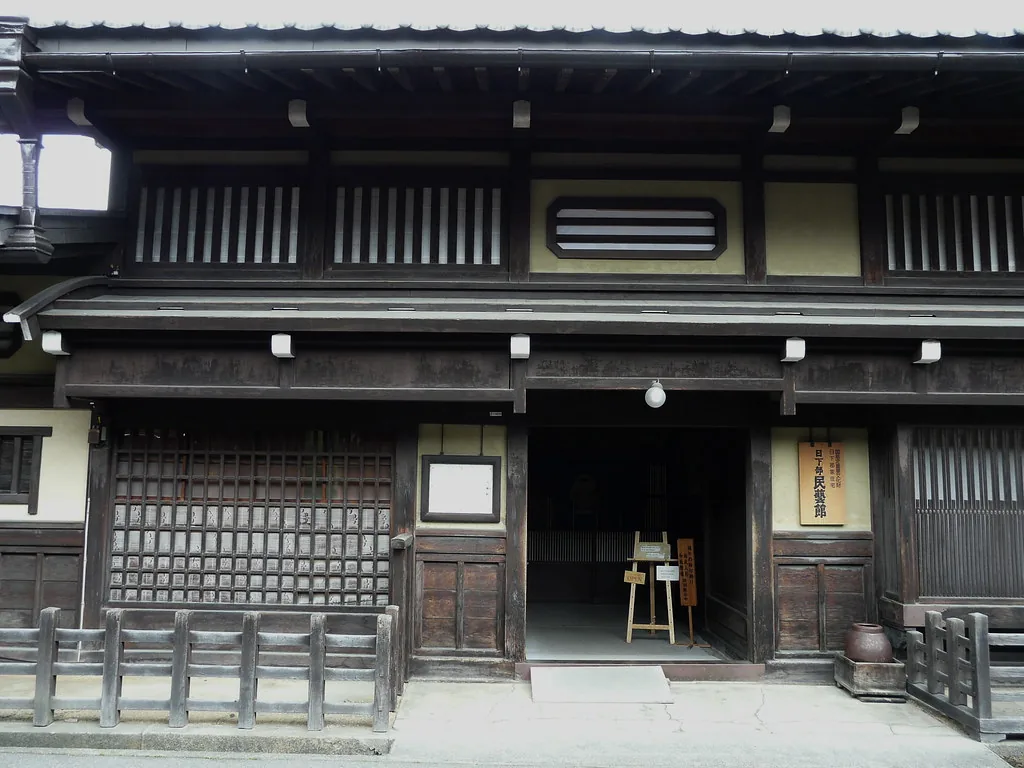
Picture a year here instead of a week: the morning market setting up along the Miyagawa River, the dark wooden streets of the old town under winter snow. If you can see yourself here, read on.
In Hida City, just north of Takayama, the akiya bank had houses asking a few million yen, or tens of thousands of dollars, in October 2026, posted in Japanese. The Akiya Letter will send new houses from towns like this one in English, with a link to the town's own page.
I’m preparing guides to akiya — Japan’s empty houses — in the Takayama area: how Takayama City's akiya bank works, what an old house costs in its first year and what to check before the first winter. If you’d like to live here one day, join the waiting list.
Official pagesMoving to Takayama (city) ↗ · Takayama akiya bank (city) ↗
Sources
- Hida Takayama (access) — JR Central
- Takayama Line: reopening between Sugihara and Inotani (May 26, 2026) — JR Central
- Hida Takayama tourism (home) (archived copy) — Hida Takayama Tourism and Convention Association
- Old town (archived copy) — Hida Takayama Tourism and Convention Association
- Takayama Jinya (archived copy) — Hida Takayama Tourism and Convention Association
- Miyagawa Morning Market (archived copy) — Hida Takayama Tourism and Convention Association
- Spring Takayama Festival (Sanno Matsuri) — Hida Takayama Tourism
- Autumn Takayama Festival (Hachiman Matsuri) — Hida Takayama Tourism
- Takayama Festival floats and UNESCO — Takayama City
- Coin lockers and luggage in Takayama — Hida Takayama Tourism
- Takayama – Shirakawa-go – Kanazawa bus (English) — Nohi Bus
- Kanazawa – Shirakawa-go – Takayama express bus — Hokutetsu
- Takayama – Matsumoto highway bus — Nohi Bus
- Takayama – Nagoya highway bus — Nohi Bus
- Takayama – Shinjuku highway bus — Nohi Bus
- Takayama – Hirayu – Kamikochi bus — Nohi Bus
- Places to stay (search) (archived copy) — Hida Takayama Tourism and Convention Association
- Takayama – Shirakawa-go bus timetable — Nohi Bus
- Takayama – Hirayu – Shin-Hotaka bus — Nohi Bus
- Hirayu no Yu — Okuhida Onsen Tourism Association
- Morning markets (FAQ) (archived copy) — Hida Takayama Tourism and Convention Association
- Getting to Takayama — Hida Takayama Tourism
- Highway bus timetable (sightseeing bus to Shirakawa-go and Gokayama) — Nohi Bus
- Car restrictions for Kamikochi — Kamikochi official website
- Sarubobo Bus (Takayama city loop) — Nohi Bus
- Hida Folk Village — Hida Folk Village
- Climate normals, Takayama (1991–2020) — Japan Meteorological Agency
- Takayama City profile (area and population) — Takayama City